Pages

Monday, August 17, 2020

Carbohydrates Simple, Complex, Dietary Fibre

Simple Carbohydrates - Examples and photos


Simple carbohydrates are the kind of carbs that break down faster than the complex hydrates. Once they are broken down they are converted into energy to provide for the body. This type of carbohydrate can be found in all sorts of foods.
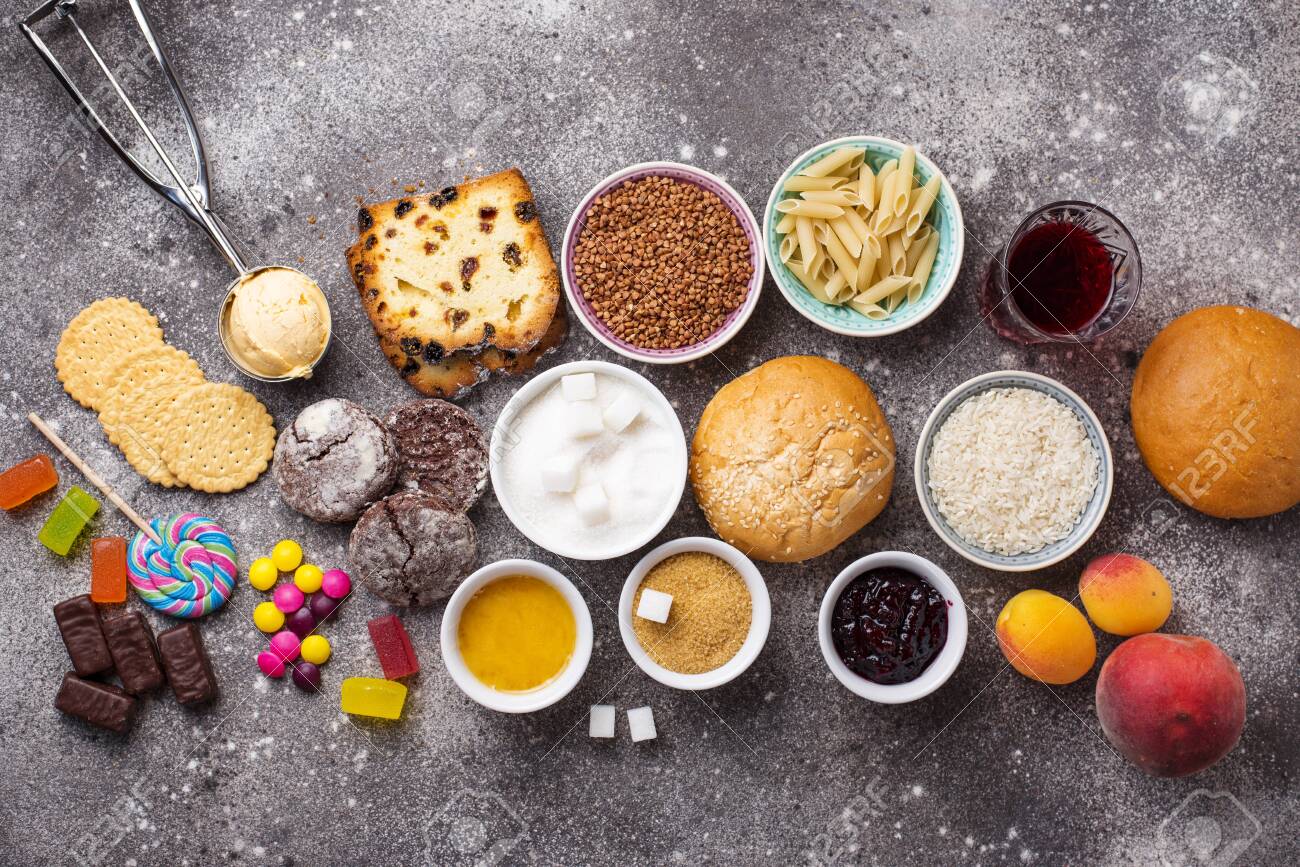

Such as:

  • Fruits

  • Milk/milk products

  • Candy

  • Table sugar

  • Syrups

  • Soft drinks


Complex Carbohydrates - Examples and photos


Complex carbohydrates are foods that contain sugar molecules. 

It provides vitamins and minerals, it is also rich in fibers and low in sugar, these are called “Good Carbohydrates”, they are good for your body and immune system. Foods such as dairy, nuts and seeds, whole grains, fruits, and vegetables. 


Dietary Fibre - How is it important for the human body?
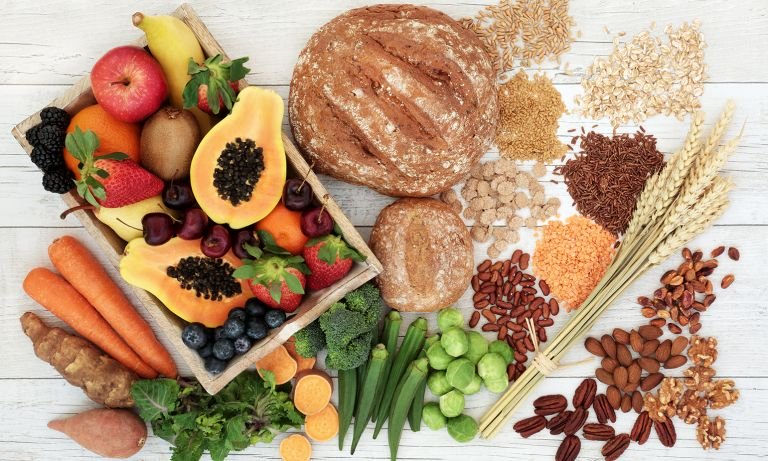

Dietary fiber is beneficial for the human body because it maintains our bowel health. 

It increases the weight and size of our stool in other words feces. This decreases the chance of constipation so fiber leads to good digestion and good bowel motion. 


Sugar:


How much sugar are we eating per day? 

A person's average intake of sugar is around 77 grams, more than 3 times the recommended amount for women.


How much sugar is recommended per day?

For men, it is recommended that they consume no more than 9 teaspoons of sugar, which equals 36 grams of grams or 150 calories. 

For women, it should no longer pass to 6 teaspoons of sugar - 25 grams or 100 calories per day. 


How to reduce the amount of sugar we eat each day?

  • Drinking heaps of water - Swap out the soda for water. If you want to lose weight or is wanting to have a healthy lifestyle, try drinking dietary drinks than sugary drinks 

  •  Eat fresh fruits than canned ones 

  • Cut down on sugary desserts. - Dark chocolate has less sugar than milk chocolate.  

  • Check the total sugars on the nutrition facts, before buying.

Friday, August 14, 2020

How to make a pita pocket - Home economics

For home economics, we did a practical, we made pita pockets. But every time it's your first practical you make pita pockets. If you don't know what a pita pocket is, it's like a thick bread that's shaped like a pancake. Then yours supposed to create a slit that makes a pocket. Then that's where you put all your ingredients and then it's done. The pita pocket is a very simple meal to create it's a kind of snack instead of a meal. But its also still filling depending on the size or how much you like to eat.

Here is my pita pocket:


It's not really pretty looking as my friends which is this:


My pita pocket didn't really taste favorable due to low amounts of filling, because we didn't make enough so that was one of the mistakes we made. 

Ingredients:
  • Ham/cooked chicken
  • cheese
  • lettuce
  • carrot
  • sauce - for e.g mayonnaise
  • pita bread
Method:
  • Get all the equipment and ingredients you need.
  • Cut all the vegetables you had decided on. - Cut lettuce into strips, peel carrots, and grate. 
  • Grate some cheese, to the amount you want.
  • The next thing you need to do is cut a slit in your pita bread that big enough to fit all your fillings in. 
  • Fill the pita bread with your fillings and sauce I think its best to put a bit of sauce in first. But not too much where it will make the bread soggy. Then once you put your vegetables in, put a bit more sauce and top it with cheese. 
  • This optional but you can heat up or grill the pita pocket to melt the cheese and make it nice and warm.

Series and Parallel circuits (part 2) - Science - Hurumanu

 Series Circuit:

1. V1: 3

    V2: 3

2. V1: 4

    V2: 4

3. V1: 3

    V2: 3

4. V1: 12

Bulb brightness: 12 volts

Parallel Circuit:

1. V1: 4

    V2: 4

2. V1: 2

No

3. V1: 5


Stir Fry Evaluation - Home Economics

How the dish was made:
  1. The first step is to prepare everything you need before starting the actual so for example get out a chopping board, a knife, etc. 
  2. Then you need to pick out the vegetables you want the vegetables you pick is optional, our team decided on onions, mushrooms, cauliflowers, and carrots. - You then need to cut vegetables like carrots or celery into juliennes. Which is usually the size of match sticks the thinner it is the faster it cooks. The other you can cut them how you like.
  3.  At the same time or after you can start to prepare the chicken, you need to make sure the chicken is defrosted. One you know it is defrosted the best way to cut the chicken is in strips. We then put it into a glass bowl it is better to use a glass bowl than a plastic bowl because the smell sticks onto plastic. With marinating it you can decide on anything, but we used sesame oil. One of our team members did that while I was cutting the vegetables.
  4. After that you can start boiling water in a separate pot, while that water is boiling you can start sauteing the onions and chicken. It's best to add the onion in first then the chicken, do this till it's brown. 
  5. Once the water has started to boil break up a packet of noodles and add it in you do not need to add the seasonings if you don't want to. 
  6. While the noodles were cooking we noticed the chicken started to go brown, but it was not fully cooked. So we just decided to put the vegetables in, after the noodles were cooked we drained it and added into the pan. While it was 
  7. It took around 15 - 20 minutes for everything to cook, but half an hour to do everything. - while the food was finishing up we just decided to start cleaning up, so we could multi-task.  
I really liked this dish but I think it would have been better without the noodles, my favorite aspect of this dish. Is the sesame oil, it gave it a really nice flavour and smell. 

Wednesday, August 12, 2020

Vegetarian Nachos - Home economics

 For our home economic lesson, we made vegetarian nachos.

Vegetarian nachos are just nachos but with no mince, so we had everything apart from meat.

Ingredients:

  • 1/2 Onion
  • 2 - 4 Mushrooms
  • 1/2 Carrot
  • 1/2 can (Chili) Beans
  • 1/2 can Chopped Tomatoes
  • Salt and Pepper (optional)
  • Loose corn
  • Loose peas/beans
  • Cheese
  • Sour Cream
  • Corn Chips
  • Oil
  1. Get all the equipment needed.
  2. Dice the onions.
  3. Slice the mushrooms
  4. Peel and grate the carrot
  5. Collect the peas and corns (can be frozen)
  6. Put everything into separate bowls.
  7. Heat up a pan, once heated up saute the onions.
  8. After onions have been sauteed add the mushrooms before the other vegetables.
  9. Once the vegetables have cooked halfway add the rest of the vegetables.
  10. Add the tomatoes and chili beans.
  11. Start to place the corn chips on a plate while the beans are cooking.
  12. Once the beans have done cooking place it on top of the corn chips.
  13. Top off with grated cheese you can heat it up if you want.
  14. This is optional but you can sour cream for extra taste.
I rate this a 9/10 it tasted pretty good but I think I would have liked it better f there was mince. Overall everything seemed nice, it wasnicer because we added a bit of extra cheese.


Tuesday, August 11, 2020

Oprah Winfrey - Business Studies

For our business studies class, we needed to do some research about a well-known entrepreneur of our choice. I chose "Oprah Winfrey" as you probably know she is very well-known and she has made an amazing success and reputation. 

I picked Oprah because she has made an amazing business and climbed her way up herself, she is inspirational and a good influencer.

Her is my presentation, about her as a businesswoman:


Tuesday, August 4, 2020

Series and Parallel circuits

Series Circuits:

In a series circuit, there is only one path for the current to take. The diagram above shows a battery (consisting of 2 cells) connected to 2 bulbs wired in series. If one of the bulbs in the circuit fails (blows), then the circuit will be open, and the current will stop flowing.

1. How many amps in the circuit? - 5 amps

2. How many amps at A1 and A2? - 5 amps

3. How many amps at 1,2,3,4? - 5 amps

Parallel Circuits:

In a parallel circuit, the current has more than one way of moving around the circuit. If one of the bulbs fails (blows), the other one will still have a current through it and will still glow.

1. A1 = 3
    A2 = 4

2. A1 = 3
    A2 = 3

3. A1 = 3
    A2 = 4
    A3 = 12