Pages

Showing posts with label hurumanu. Show all posts

Monday, August 12, 2019

Changing our future

Aim; To look at the different ways we can prevent climate change in the future.

Changing Our Future


Name 3 fossil fuels?
Coal

Oil
Gas
What is the cost?
Carbon Dioxide
The CO2 level has soured since when?
Industrial revolution
What are the effects in the UK?

  1.    many Heatwaves
  2.    Warm weathers 
  3.   Worldwide species could disappear.
How many climate refugees will there be in Britain by 2050?
Millions of climate refugees in the world.

When will Fairborn be flooded?
In the next 26 years, Fairborn will be flooded.

What are some of the other things that will be 'swallowed by the waves'?
  1.    1.5 millions of homes will be flooded by 2080
  2.     100.000 erosions will be slid into the sea
  3.  100 toxic sites will also be released into the sea.
How can we stop climate change?
  1.    Replacing and reducing gas boilers.
  2.    We would have to reduce the use of cars and plant 1.5 billion trees.
  3.   Running the cars on solar and hydro battery.  
What ideas are school children having about climate change?
  1.    They were protesting about climate change.
  2.   Some kids are also not wanting to have kids because they don't want their kids to live in a polluted life, or having to pick up other people's trash.
  3.  Thinking it's good that social media is also helping.
  4. Turning off engines - less use of cars or automobiles.
  5. Politicians having to speak up and it is only the youths.
What is the atmosphere called?

a Waste Dump

What is the last statement the reporter made?

We know what we need to do, we have got the technology
. What we lack is 
political will.


What places will be affected?
Different parts differently - various places in NZ
What else do we need to think about?
People in general about developing new areas for people to live in which is away from 50 to a hundred cm of sea level.
What other places around NZ will be affected?
The Pacific Islands will be affected badly.
What does this do to our drinking water?
Saltwater invading our drinking water since we get our water supply from the undergrounds which are close to the coastal.
What are the main concerns?
  1. Coastal flooding  
  2. Coastal erosions.

What can we do?

  1. Take up less use of fossil fuels like not using public transport or car, things like that. 
  2. If your building a house try to build uses less energy so we can use less energy.   
  3. Buy efficient cars like electric cars that don't need/that much oil,   

What is the one, silver bullet solution?
There is no silver bullet solution.


What is the mix of things we need to start doing?
  1.   Using renewable 
  2.   Getting away from vehicles that depend on fossil fuels.
  3.  Use solar heating.
What are 3 others you can think of?
  1.   I always turn off the light when I leave a room.
  2.  I sometimes walk to school and back home.
  3.  I take quick showers instead of baths because it takes up lots of water.
My Investigation
Where does our food come from?

  • Choose your favorite food.
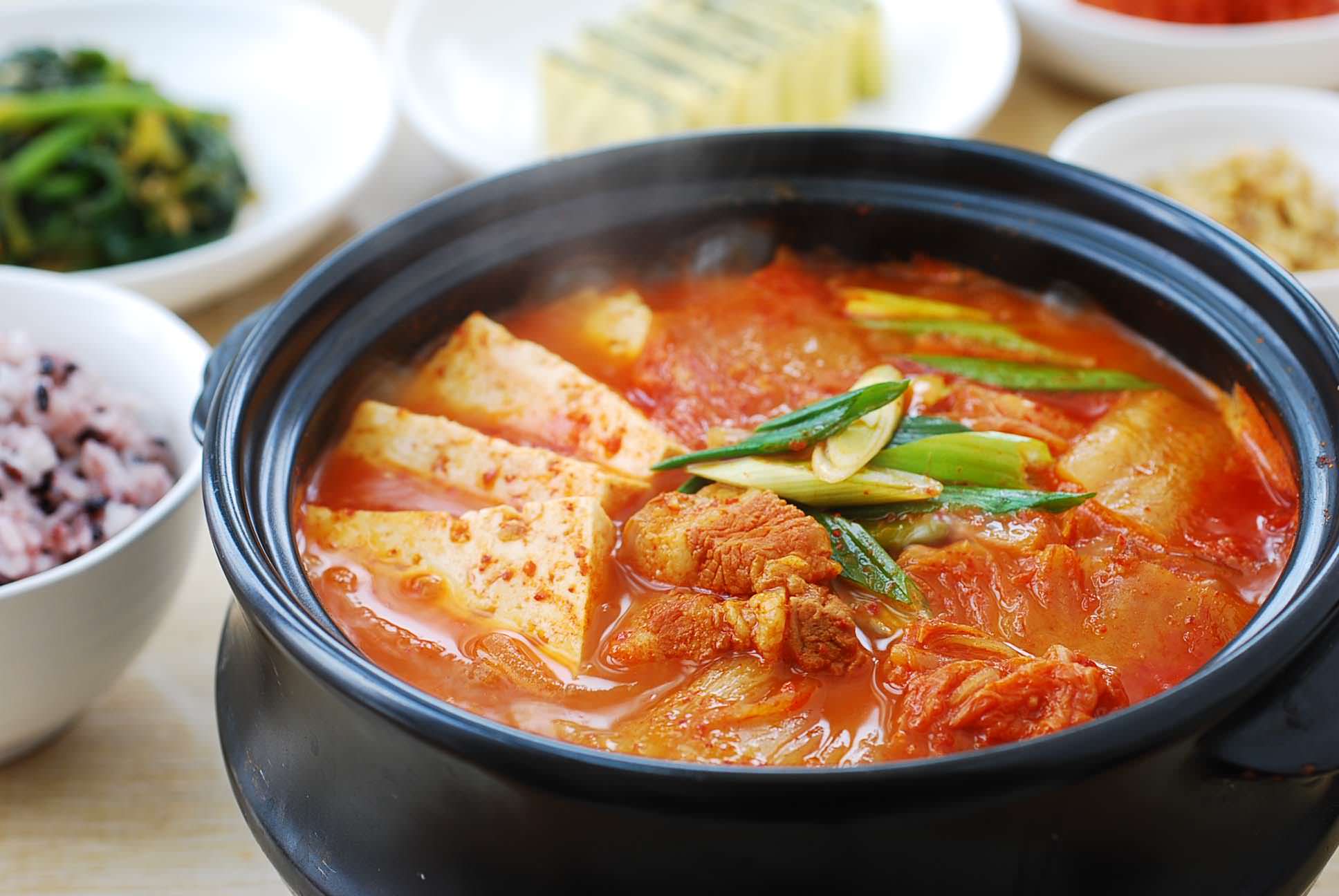
Kimchi Soup
  1. Upload a picture of it.
Image result for kimchi soup
  1. Draw a picture of it on A4.    
On your blog answer the following questions.

  • Where does the food come from (e.g. is it from another province or country, was it purchased or made locally)? 
Korea 
  • How many kilometers away did the food travel to get to you?
9,946 Kilometers 
  • What are the main ingredients? 
Kimchi
Kimchi Brine
Pork Belly/Shoulder
Tofu
  • How is the food packaged? 
Kimchi and the other ingredients are normally found at the local stores in plastic or foil. But the Kimchi soup itself is found at restaurants in bowls or it would be made at home. - In my opinion their no packaging for the Kimchi Soup itself.
  • What resources do you need to produce this food item (e.g. land, water, oil, food, etc.)? 
Water, Fire
  • Would this item have been processed? 
Yes, because kimchi actually needs to be cooked first to be cooked with the stew otherwise it would not have a rich flavor.
  • Is there anything unique or significant about the food item (e.g. fair-trade, local)? 
Yes, Because it is loved locally in Korea and also even the rich have it inexpensive restaurants which normally thins kind of food would not really be welcomed to expensive restaurants around the world. It is a delicacy in Korea.
  • What else do you notice about this food that affects its climate friendliness? 
It needs gas to boil but apart from that, I think it is climate-friendly.

  • Do you think this food is climate-friendly (Circle)?       YES   NO 

  • Why?
Because it is a food that had organic items apart from meat but it also needs fire but this in only the portion of the ingredients all the rest are organic.

  • If no, what would be a better alternative?  


Thursday, August 8, 2019

Science - Wind

Weather and Climate Change 

Measuring weather.

Wind

Beaufort
Force
Wind Speed
(KPH)
SpinsIndicatorsTerms Used in NWS Forecasts
00-20Calm; smoke rises vertically.Calm
12-510Shown by the direction of wind smoke drift, but not by wind vanes.Light
26-1240The wind felt on face, leaves rustle; ordinary vanes moved by wind.Light
313-2080 Leaves and small twigs in constant motion; wind extends light flag.Gentle
421-29130Raises dust and lose paper; small branches are moved.Moderate
530-39190Small trees in leaf begin to sway; crested wavelets form on inland waters.Fresh
640-50250Large branches in motion; whistling heard in telephone wires; umbrellas used with difficulty.Strong
751-61320Whole trees in motion; inconvenience felt walking against the wind.Strong
862-74390Breaks twigs off trees; generally impedes progress.Gale
975-87470Slight structural damage.Gale
1088-101550Seldom experienced inland; trees uprooted; considerable structural damage occurs.Whole gale
11102-116640Very rarely experienced inland; accompanied by widespread damage.Whole gale
12117 or more730+Very rarely experienced; accompanied by widespread damage.Hurricane

Wind speed - Making an anemometer.

Anemometer

MATERIALS

  1.  4 straws
  2.  4 disposable/Styraphome cups (or cups you can poke holes through)
  3.  A pencil with an eraser on the end
  4.  Tape
  5.  Pin

STEPS

  1.   Get all your materials ready to start creating
  2.   Grab two straws and insert one straw into the other creating a long stick and do it to the other two.
  3.   Tape both long straws together creating an x or + sign.
  4.   Grab a pin and push it through both straws to keep it secure.
  5.   Under your cross or plus you will see a bit od the pin poking out grab your pencil and push the eraser bit of the pencil into the pin.
  6. Now you have created yourself an Anemometer
Once you have made an anemometer we are going to record the wind speed.

Group size: 5

You will need:

Anemometer (above) 

Roles:


  • Timekeeper
  • Counter
  • Recorder
  • Anemometer Manager
  • Wind generator
  1. Mount the anemometer in a place that has full access to the wind from all directions.
  2. When the timekeeper says "Go", the counter in each group will count how many times the marked cup passes them in one minute and write it down.
  3. If possible, repeat the above step four (4) times and record the average number of spins on the chart.

FINDINGS

  • Record how many times it spins using the table below.
You will need to create the wind yourself by blowing. Get 4 different wind speeds by blowing.

You will need to time them and count the number of spins.

Time IntervalNumber of Spins
1.10 sec15
2.10 sec14
3.10 sec 16
4.10 sec12
  • Can you make a statement connecting the number of spins of your anemometer and the speed of the wind? 
For the first one, we got many spins because we were in front of a wind tunnel once it came out it forced a lot of wind when it came out of the tunnel. For the third one we also got many spins because it was quite a windy day and we faced it the way the wind was coming.

CONCLUSION:

I think it was really fun doing this experiment and making it, I never knew about this stuff and thought it was cool when we had to test the wind we started to develop thinking on how we can get more spins. We also watched a video that surprised us on how tough and strong the wind is in many other countries it was actually surprising. I am really happy we don't have strong winds here in NZ.

Monday, August 5, 2019

Hurmanu - Solar energy

Solar Energy

Catching the sun movie


Materials:


  1. Cups - x4 
  2. Water
  3. Tin Foil
  4. Sheets of white paper - x2 
  5. A sheet of black paper - x1
  6. Thermometer
  7. A large cup - x1
  8. Heat Lamp

Steps

  1.   Grab all your materials and place them down on a spacious surface.
  2.   Fill all small cups to the line on the cup if there is no line fill up at least 2/3 of the cup with tap water.
  3.   Place a larger cup over one of the cups to create a greenhouse effect.
  4.   Put 1 cup on a white paper, another on another white paper, and the other two with one on tin foil and the other on black paper. - (Make sure the cup with the larger cup on top is on a white paper.
  5.  Let the cups be in a hot environment if not use heat lamps.
  6.  For research purposes, you can measure the temperature with a thermometer every 15 minutes.

Which surface conducts/attracts the most heat?


Time +
temperature
Cup 1
White paper
Cup 2
White paper+ plastic.
Cup 3
Black paper
Cup 4
Tinfoil
0
12 d12 d12 d12 d
15 minutes
15 d17 d21 d25 d
30 minutes
17 d18 d21 d23 d
45 minutes
18 d19 d20 d22 d

Findings:

I think we succeeded but some of the temperatures went up and down which confused in our opinion maybe it was because we were in the environment that was near the door. the warmest was on the tin foil; because of the light reflecting on the foil, and in the start it was of course much warmer because of the heat lamp.
Conclusion:

I am really proud of our group and that we succeeded our results were surprising and confusing. Maybe because of the heat changing, of course, it was the heat lamp but also because we got sunlight and an artificial light adding on with our body temperature creating heat. Overall it was a really fun and cool experiment to do because of solar energy and renewable energy from the sun.

Friday, May 31, 2019

P.E HURUMANU - Create your own game

For P.E we had just ended our first topic which was to create our own game which had to include things about football, netball, and basketball. The name of our game was called D.N ball it was a combination of Dodgeball and Netball after we planned our game and rules and other game needs. We needed to make sure all of it made sense so when another group reads it they can understand and actually play the game without our help. After all that editing we were able to get into physical action we were told we needed to find another group and try to learn their game, with their instructions without their help It was a little bit frustrating  but we got through it then when they played our game without us helping them was easy they did not understand some so we changed a bit and we got through it.

What worked well? -
Is that they got a hang of the game was able to play it properly because at the start it was a bit confusing since it was only like rules then we started to understand and they played it nicely.

What didn't work well? -
Is that they thought it was ball tag which it was like but not entirely because we twisted some of the rules and how you play it, I think it was because that is what the game was similar to.

What would you change and why? -
I think we should change up the rules and adjust it more so it wasn't so similar to ball tag.
(D.N Ball)
Written by: Rieya


Object

There will be 5 taggers there will be another group with no taggers the point is that the tagger must try to tag everyone in the other group if you count on yourself you are allowed to run with the ball and try to tag everyone else. The best way is teamwork with using teamwork you can pass the ball to other taggers which are closer to your targets, which is the other group you need to throw the ball at the targets it must be below the legs. When you the tagger had tagged someone you need to shoot hoops with the person they had tagged and whoever shot the hoop first is the winner and they are tagger and stay in the game the loser sits out.

Players

28 as the most and the least is 15 also there needs to be at least 5 taggers.

Equipment

1 Dodgeball,  4 cones,

Scoring

For scoring you need to tag another player from the other team when you do you both have to shoot hoops whoever lost is out the and the winner the person you shot a goal first and is now the tagger. Also if some people are far away you are not allowed to move but you are allowed to dribble to get closer or pass to another tagger that is close to most of the the people.

Winning

If everyone is out and it is only the 5 taggers left they need to verse each other and you need to see you last person is standing.

Rules

No teaming
Don’t throw the ball hard
No passing the boundaries
You can use trick shot to shoot the hoops
No rough play
Follow the rules
Below waist aiming
No kicking the ball
Do not intentionally throw the ball to someone.

Tuesday, March 26, 2019

Forensics

Forensics

1. What is the definition of forensic science?
Forensic is an application of scientific methods to investigate a crime

2. Name 5 different kinds of activities used in forensic sciences and find a picture for each.
Investigating -Image result for forensics investigator
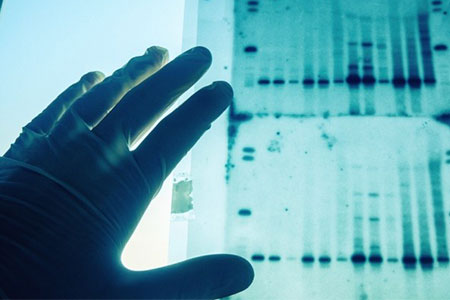
DNA -Image result for forensics DNA
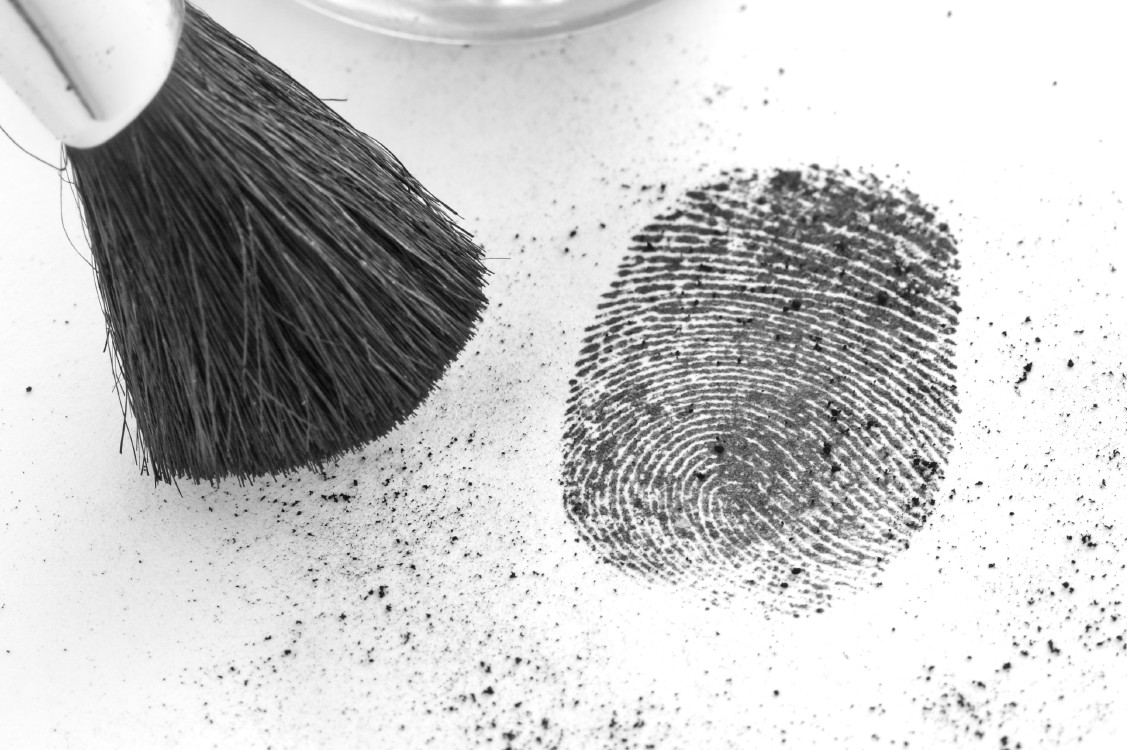
Fingerprints -Image result for forensics fingerprints
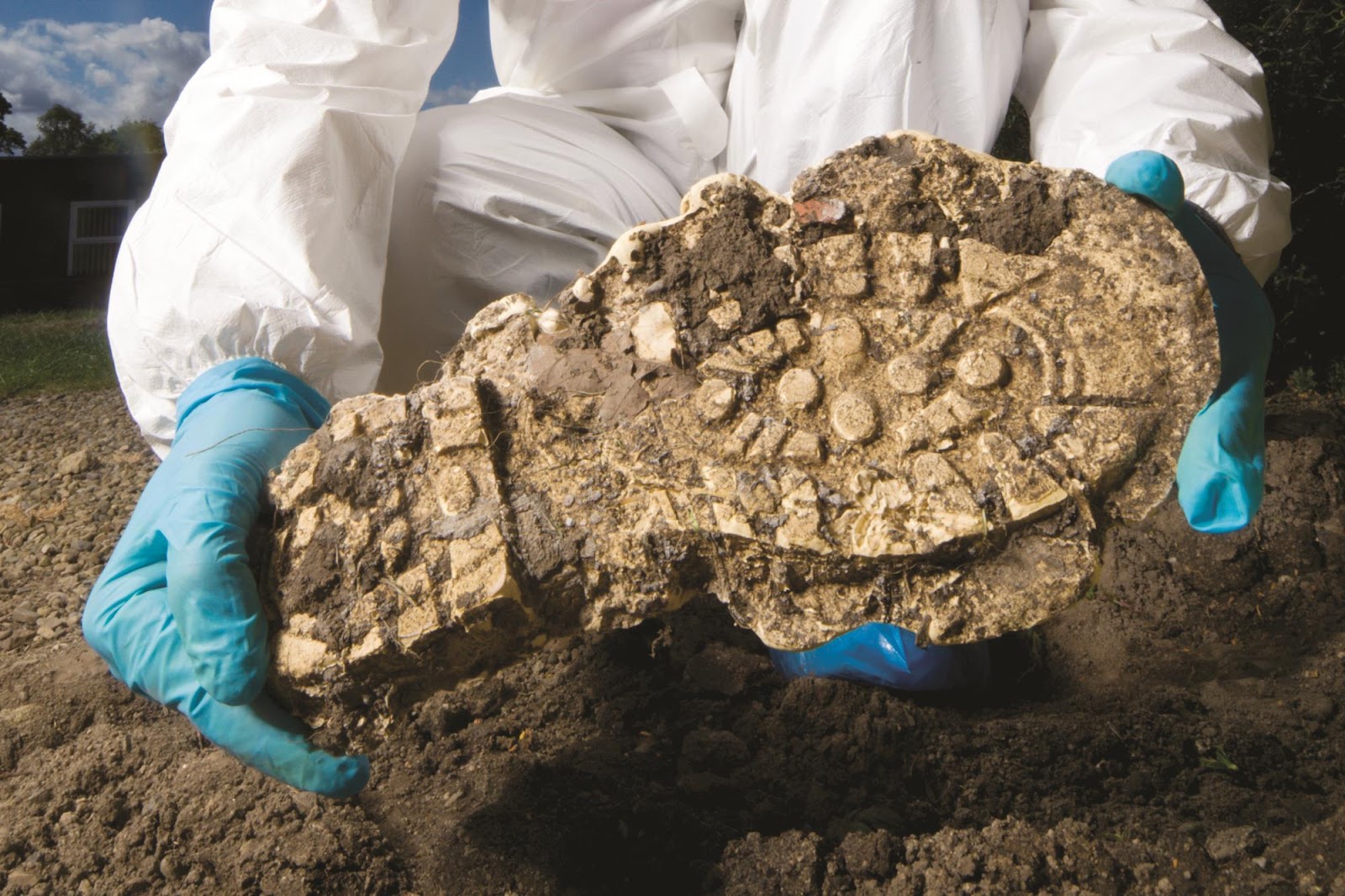
Footprints -Image result for forensics footprint
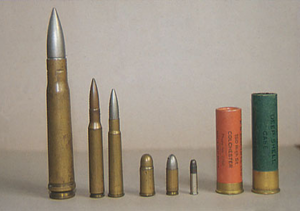
White powder -Image result for forensics Ballistics


3. Name 5 jobs that would use forensics to investigate crime
  1. Crime scene investigator
  2. Forensic engineer
  3. Chemist
  4. Documents examiner
  5. Science technician photographer

Fingerprints

Aim: To look at the different types of fingerprints.

Material:

  1.  Balloon
  2.  Inkpad
  3.  Finger
  4.  Magnifying glass
  5.  Wipes
  6.  
  7.  

Steps

  1. Get ink pad  
  2. Get Balloon (any colour except dark colours)
  3. Wipe finger with wet wipe till clean
  4. Press thumb on ink pad for only 2 seconds  
  5. Quickly take your finger off the ink pad and place on the balloon while deflated
  6. Press your thumb on the balloon hard for 3 - 5 seconds (do not move your finger)
  7. Take your thumb off then inflate the balloon slightly not too small, not too big ( when dry )
  8. Look at you thumbprint with a magnifying glass to see what pattern you have


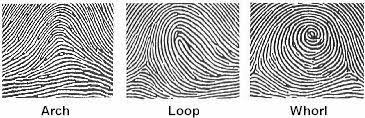
Image result for fingerprint types

Record the types of fingerprints from those in your group.

Name
Fingerprint 1 ( Thumb)
Fingerprint 2 (finger)
Skyler
Loop
Index finger - Loop
Lhysette
Loop
Index finger - Loop
Rieya
Loop
Ring finger - Whorl


Summary of findings:
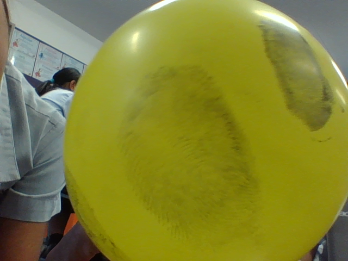
Today our first experiment was easy and short all we had to do was find out what print pattern we have on our finger. We used ink and placed it on a balloon and blew it up to see what they would look like. I was really fun to do some investigation things and trying to do it ourselves when I see it on tv.


Hidden fingerprints:

Aim: To learn how to lift hidden fingerprints from an object.

1. Lifting and Gathering fingerprints.

Equipment:
  1.  Brush
  2.  Plastic file
  3.  Finger
  4.  Tape
  5.  Magnifying Glass
  6.  Powder
Method;
  1. First use a brush to put a thin layer of white powder on your finger
  2. Place your finger on a card or a desk any platform you have.
  3. Hold there only for 2 seconds at the max
  4. Then get some tape then place it on top of where the fingerprint is
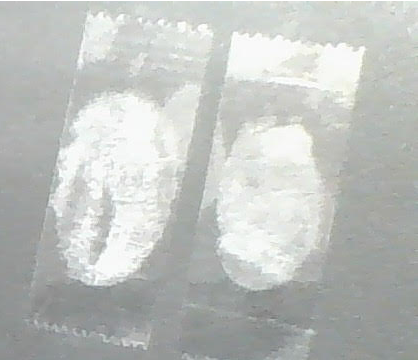
  5. Take the tape off and analyze it with a magnifying glass
  6. Take a photo if you want it to last longer